
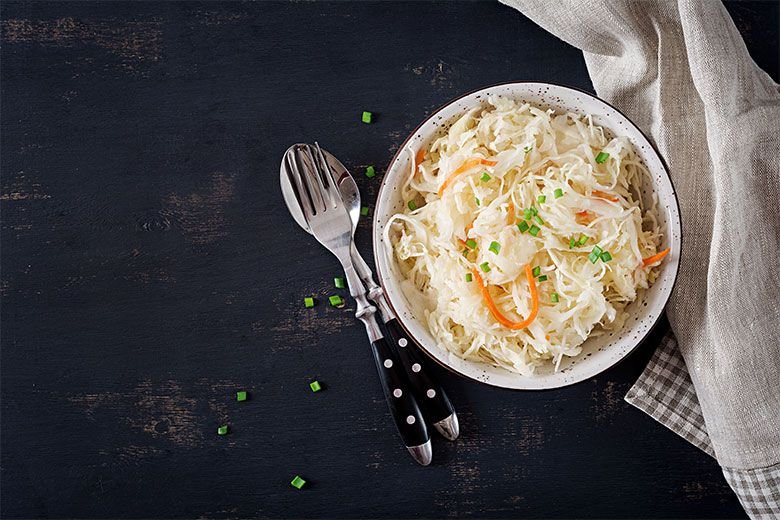
Sauerkraut is one of the oldest and simplest fermented foods in the world. Made with nothing more than cabbage and salt, this traditional recipe transforms fresh cabbage into a tangy, crunchy, probiotic-rich food that has been enjoyed for centuries.
Although many people buy sauerkraut at the grocery store, making homemade sauerkraut is surprisingly easy. With a little patience and the right fermentation process, you can create flavorful sauerkraut without preservatives, additives, or unnecessary ingredients.
This homemade sauerkraut recipe is naturally vegan, gluten-free, budget-friendly, and packed with beneficial bacteria that support a healthy gut. Whether you’re serving it alongside vegan sausages, grain bowls, sandwiches, or salads, homemade sauerkraut adds a delicious burst of flavor to almost any meal.
What Is Sauerkraut?
Sauerkraut is a traditional fermented cabbage dish made by mixing finely shredded cabbage with salt and allowing naturally occurring beneficial bacteria to transform the cabbage over time. This simple fermentation process has been used for centuries as a way to preserve vegetables while creating a unique tangy flavor and crisp texture.
Unlike pickled cabbage, which is typically preserved with vinegar, authentic sauerkraut relies entirely on natural fermentation. As the cabbage sits in its own salty brine, lactic acid bacteria begin converting the natural sugars in the cabbage into lactic acid. This acid not only gives sauerkraut its signature sour taste but also helps preserve it naturally.
During fermentation, several changes take place:
The cabbage gradually softens while still maintaining some crunch.
Beneficial bacteria naturally develop.
The flavor becomes more complex and tangy.
The cabbage becomes naturally preserved.
Some nutrients may become easier for the body to absorb.
Traditional sauerkraut contains only two ingredients: cabbage and salt. However, many families and home fermenters customize their recipes with additions such as carrots, garlic, caraway seeds, juniper berries, dill, black peppercorns, or other herbs and spices to create unique flavor variations.
One of the reasons sauerkraut has remained popular around the world is its simplicity. With minimal ingredients and no complicated equipment required, it transforms an ordinary head of cabbage into a flavorful fermented food that can be enjoyed on its own or added to countless recipes.
Why You’ll Love This Sauerkraut Recipe
There is a reason homemade sauerkraut has remained a staple in kitchens around the world for generations. It is incredibly simple to make, requires very little hands-on work, and delivers a depth of flavor that many store-bought versions simply cannot match.
One of the biggest advantages of making your own sauerkraut is that it requires only two basic ingredients: fresh cabbage and salt. There are no complicated techniques, expensive ingredients, or special culinary skills required. The fermentation process does most of the work for you.
You’ll love this sauerkraut recipe because:
- It uses simple, affordable ingredients.
- No special equipment is required for beginners.
- It is naturally vegan, gluten-free, and dairy-free.
- Fermentation creates beneficial probiotics.
- It is excellent for meal prep and batch cooking.
- Properly stored sauerkraut can last for months.
- Homemade versions are often far more economical than store-bought options.
- The recipe can easily be customized with herbs, spices, and vegetables.
Another reason this recipe is worth trying is the incredible flavor. Fresh homemade sauerkraut develops a bright tanginess and satisfying crunch that is difficult to find in many commercially produced varieties. You can also control the fermentation time to create a milder or stronger flavor depending on your personal preference.
Many people are surprised by how rewarding the process can be. Watching simple cabbage gradually transform into a flavorful fermented food feels almost magical, especially the first time you make it successfully.
Once you learn how easy it is to make homemade sauerkraut, you may find yourself keeping a jar in the refrigerator year-round to add flavor, texture, and a burst of freshness to your favorite meals.
Ingredients You’ll Need
One of the best things about this homemade sauerkraut recipe is how incredibly simple the ingredient list is. Traditional sauerkraut requires only cabbage and salt, allowing the natural fermentation process to create its signature tangy flavor and crunchy texture.
For The Sauerkraut
1 medium green cabbage (about 2 pounds / 900g)
1 tablespoon sea salt or kosher salt
Optional Flavor Additions
If you’d like to customize your sauerkraut, you can add a few extra ingredients before fermentation begins:
1 grated carrot
1 teaspoon caraway seeds
2 garlic cloves, thinly sliced
1 teaspoon juniper berries
1 teaspoon black peppercorns
1 small apple, grated
Fresh dill sprigs
These additions are completely optional, but they can create unique flavor profiles while still allowing the cabbage to remain the star of the recipe.
Ingredient Notes
Green Cabbage: Traditional green cabbage produces the classic sauerkraut flavor and texture. Look for a firm, heavy cabbage with crisp leaves and no soft spots.
Salt: Use sea salt, kosher salt, or pickling salt. Avoid iodized table salt whenever possible, as some fermenters find that additives can affect the fermentation process.
Water: In most cases, no water is needed. The salt naturally draws moisture from the cabbage, creating the brine required for fermentation.
Keeping the ingredients simple is part of what makes homemade sauerkraut so appealing. With just a head of cabbage and a little salt, you can create a flavorful fermented food that has been enjoyed for centuries.
Best Cabbage For Sauerkraut
While sauerkraut is simple to make, choosing the right cabbage can make a noticeable difference in both flavor and texture. Fortunately, most grocery stores carry excellent cabbage varieties for fermentation.
Green Cabbage
Green cabbage is the traditional choice and the most commonly used variety for homemade sauerkraut. It offers the ideal balance of sweetness, crunch, and moisture, making it perfect for fermentation.
Benefits of green cabbage include:
Consistent fermentation results
Classic sauerkraut flavor
Crisp texture
Affordable and widely available
High natural moisture content
Red Cabbage
Red cabbage can also be used to make sauerkraut and creates a beautiful deep purple color. The flavor is slightly stronger and earthier than green cabbage, but many people enjoy the visual appeal and unique taste.
Savoy Cabbage
Savoy cabbage has softer, more delicate leaves and can be fermented successfully, although the finished sauerkraut may be slightly less crunchy than traditional versions.
How To Choose The Best Cabbage
When shopping for cabbage, look for:
Firm and heavy heads
Crisp outer leaves
Bright color
No soft spots or discoloration
Fresh appearance without wilting
A heavier cabbage typically contains more moisture, which helps create the natural brine needed during fermentation.
Many experienced home fermenters prefer to make sauerkraut during cabbage season because freshly harvested cabbage often contains more natural sugars. These sugars help feed the beneficial bacteria responsible for fermentation and can contribute to a more flavorful final product.
No matter which variety you choose, starting with fresh, high-quality cabbage is one of the easiest ways to ensure your homemade sauerkraut turns out crisp, flavorful, and delicious.
Equipment You’ll Need
One of the reasons homemade sauerkraut is so beginner-friendly is that it requires very little equipment. You do not need an expensive fermentation kit to get started, and many people successfully make their first batch using items they already have in their kitchen.
Large Mixing Bowl
A large bowl gives you enough space to massage the salt into the cabbage and helps the cabbage release its natural juices more easily.
Sharp Knife Or Mandoline
Thinly shredded cabbage ferments more evenly and develops a better texture. A sharp knife works perfectly, while a mandoline can speed up the preparation process if you plan to make larger batches.
Glass Jar Or Fermentation Crock
A clean glass jar is ideal for most home batches. Wide-mouth mason jars are especially popular because they are easy to fill, pack, and clean.
For larger batches, a traditional fermentation crock can also be used.
Fermentation Weight
Keeping the cabbage submerged beneath the brine is one of the most important parts of successful fermentation. A fermentation weight makes this easier, although a small clean jar filled with water can also work in many cases.
Clean Kitchen Towel Or Loose Lid
The sauerkraut needs protection from dust while still allowing gases produced during fermentation to escape. Many people use a loose-fitting lid, fermentation lid, or clean kitchen towel secured with a rubber band.
Clean Hands
Your hands are one of the most important tools in this recipe. Massaging the cabbage with salt helps release the natural liquid needed to create the fermentation brine.
The good news is that most beginners already own everything needed to make homemade sauerkraut. With a cabbage, some salt, and a simple glass jar, you’re ready to begin the fermentation process and create your first batch of this classic fermented food.
How To Make Sauerkraut
Making homemade sauerkraut is surprisingly simple. The process mainly involves preparing the cabbage, creating a natural brine with salt, and allowing time for fermentation to work its magic.
Step 1: Prepare The Cabbage
Remove any damaged outer leaves from the cabbage and set aside one clean leaf for later use if desired.
Cut the cabbage into quarters and remove the tough core. Thinly slice the cabbage into fine shreds using a sharp knife, mandoline, or food processor.
Place the shredded cabbage into a large mixing bowl.
Step 2: Add The Salt
Sprinkle the salt evenly over the cabbage.
The salt helps draw moisture from the cabbage and creates the environment needed for successful fermentation.
Step 3: Massage The Cabbage
Using clean hands, massage and squeeze the cabbage for about 5 to 10 minutes.
At first, the cabbage will feel dry and firm. As you continue massaging, it will begin releasing liquid and become softer and more flexible.
By the end of this step, you should notice a significant amount of natural brine collecting in the bowl.
Step 4: Pack The Jar
Transfer the cabbage into a clean glass jar a handful at a time.
Press each layer down firmly using your hands or the back of a wooden spoon. This removes air pockets and helps push more liquid to the surface.
Continue until all of the cabbage has been packed into the jar.
Step 5: Keep The Cabbage Submerged
Pour any remaining liquid from the bowl into the jar.
The cabbage should remain completely submerged beneath the brine. Place a fermentation weight on top if needed.
If you saved a cabbage leaf earlier, you can place it on top of the shredded cabbage to help keep everything below the liquid level.
Step 6: Begin Fermentation
Cover the jar loosely with a lid, fermentation lid, or clean cloth.
Place the jar in a cool location away from direct sunlight and allow the sauerkraut to ferment.
Most batches ferment well at room temperature between 65°F and 75°F (18°C to 24°C).
Step 7: Taste And Monitor
After a few days, you’ll begin noticing a tangy aroma and small bubbles forming inside the jar.
Taste the sauerkraut periodically to monitor its progress.
Typical fermentation times are:
3 to 5 days for a mild flavor
1 to 2 weeks for a more balanced tang
3 to 4 weeks for a stronger, more traditional flavor
Step 8: Refrigerate
Once the sauerkraut reaches your preferred flavor, secure the lid and transfer the jar to the refrigerator.
Cold storage slows the fermentation process and helps preserve the sauerkraut’s texture and flavor for months.
The longer the fermentation period, the deeper and more complex the flavor becomes, so don’t be afraid to experiment and discover the level of tanginess you enjoy most.
How Fermentation Works
One of the most fascinating parts of making sauerkraut is watching a simple head of cabbage transform into a flavorful fermented food using nothing more than salt and time. While the process may seem complicated, it actually relies on naturally occurring bacteria that are already present on fresh vegetables.
When salt is mixed with shredded cabbage, it draws moisture from the leaves and creates a natural brine. This salty environment discourages unwanted microorganisms while allowing beneficial lactic acid bacteria to thrive.
As fermentation begins, these beneficial bacteria feed on the natural sugars found in the cabbage. During this process, they produce lactic acid, which gradually changes both the flavor and texture of the cabbage.
As fermentation progresses:
The cabbage develops its signature tangy flavor.
The brine becomes more acidic.
Beneficial bacteria multiply naturally.
The cabbage softens slightly while remaining crisp.
The food becomes naturally preserved.
The increasing acidity helps protect the sauerkraut from spoilage and creates the distinctive flavor that people have enjoyed for generations.
You may notice bubbles forming inside the jar during fermentation. This is completely normal and is often a sign that the beneficial bacteria are actively working. Depending on the temperature of your kitchen, fermentation may proceed more quickly or more slowly.
Warmer temperatures generally speed up fermentation, while cooler temperatures slow it down. This is one reason homemade sauerkraut can vary slightly from batch to batch, even when using the same ingredients.
Understanding how fermentation works can make the process feel less intimidating. In reality, sauerkraut is one of the most beginner-friendly fermented foods because nature does most of the work. With proper salt levels and a little patience, beneficial bacteria transform ordinary cabbage into a flavorful food that can be enjoyed for weeks or even months.
Common Mistakes To Avoid
Homemade sauerkraut is one of the easiest fermented foods to make, but a few common mistakes can affect the final flavor, texture, or safety of the fermentation process. Fortunately, most of these issues are easy to avoid once you know what to watch for.
Using Too Little Salt
Salt plays an important role in successful fermentation. It helps create the right environment for beneficial bacteria while discouraging unwanted microorganisms.
Using too little salt can lead to inconsistent fermentation and increase the risk of spoilage. Always follow the recommended salt-to-cabbage ratio for best results.
Not Massaging The Cabbage Long Enough
Many beginners stop massaging the cabbage too early.
The cabbage should release enough liquid to create a natural brine. If the cabbage still feels dry after a few minutes, continue squeezing and massaging until more liquid appears.
Allowing Cabbage To Rise Above The Brine
One of the most important rules of fermentation is keeping the cabbage submerged beneath the liquid.
Cabbage exposed to air is more likely to develop mold or spoil. A fermentation weight or cabbage leaf can help keep everything below the brine level.
Fermenting In Direct Sunlight
Fermentation works best in a cool location away from direct sunlight.
Too much heat can speed up fermentation excessively and may negatively affect flavor and texture.
Using Dirty Equipment
Always start with clean jars, bowls, utensils, and hands.
While fermentation relies on beneficial bacteria, introducing unwanted contaminants can increase the chances of problems developing during the process.
Using Chlorinated Water
If additional liquid is ever needed, avoid heavily chlorinated tap water whenever possible.
Chlorine can interfere with the beneficial bacteria responsible for fermentation.
Throwing It Away Too Early
Many first-time fermenters become nervous when they see bubbles, cloudy brine, or a stronger aroma developing.
These are often normal signs that fermentation is progressing properly. As long as the cabbage remains submerged and there are no signs of spoilage, the process is usually working as intended.
Expecting Instant Results
Sauerkraut requires patience. While you may notice changes within a few days, deeper flavor develops gradually over several weeks.
Allowing the fermentation process enough time often produces a more complex and satisfying final result.
Avoiding these simple mistakes can dramatically improve your success rate and help ensure that every batch of homemade sauerkraut turns out flavorful, crisp, and delicious.
Sauerkraut Flavor Variations
One of the best things about homemade sauerkraut is how easy it is to customize. Once you’ve mastered the basic cabbage-and-salt recipe, you can experiment with different vegetables, herbs, and spices to create unique flavors while still enjoying the benefits of fermentation.
Caraway Sauerkraut
Caraway seeds are one of the most traditional additions to sauerkraut and are commonly used throughout Central and Eastern Europe.
They add a warm, slightly nutty flavor that pairs beautifully with the natural tanginess of fermented cabbage.
Garlic Sauerkraut
Adding thinly sliced garlic cloves creates a more savory and aromatic sauerkraut.
The garlic flavor becomes milder during fermentation and blends wonderfully with the cabbage.
Carrot Sauerkraut
Grated carrots add a touch of natural sweetness and a beautiful pop of color.
This variation is especially popular with people who prefer a slightly milder flavor.
Apple Sauerkraut
Finely grated apple introduces subtle sweetness and can help balance the sour notes that develop during fermentation.
Green apples and sweeter varieties both work well.
Dill Sauerkraut
Fresh dill gives sauerkraut a bright, herbaceous flavor that works particularly well during the summer months.
Many people enjoy serving dill sauerkraut with salads, grain bowls, and roasted vegetables.
Beet Sauerkraut
Adding shredded beets creates a vibrant pink or deep purple sauerkraut that looks stunning on the plate.
Beets also contribute a mild earthy sweetness to the finished ferment.
Spicy Sauerkraut
If you enjoy heat, try adding:
Jalapeño slices
Crushed red pepper flakes
Serrano peppers
Fresh chili peppers
The spice becomes more integrated as the fermentation process continues.
Ginger Sauerkraut
Fresh grated ginger adds warmth, brightness, and a slightly citrusy flavor.
This variation pairs particularly well with Asian-inspired dishes and grain bowls.
Mixed Vegetable Sauerkraut
You can also combine cabbage with vegetables such as:
Carrots
Radishes
Beets
Turnips
Daikon radish
Just be sure cabbage remains the primary ingredient so the fermentation process remains balanced.
Many home fermenters eventually develop their own signature version of sauerkraut. Once you’re comfortable with the basic recipe, experimenting with different flavor combinations can become one of the most enjoyable parts of making homemade fermented foods.
What To Serve With Sauerkraut
Sauerkraut is much more versatile than many people realize. Its tangy flavor, crunchy texture, and natural acidity help balance richer foods while adding brightness to simple meals. Whether you use it as a side dish, topping, or ingredient, homemade sauerkraut can fit into countless vegan recipes.
Vegan Main Dishes
Sauerkraut pairs especially well with hearty vegan comfort foods. The sharp, fermented flavor complements savory dishes such as vegan sausages, veggie burgers, lentil loaf, baked tofu, and grilled tempeh. Many people enjoy adding a generous spoonful alongside these dishes because the acidity helps cut through richer flavors and creates a more balanced meal.
Grain Bowls And Meal Prep Bowls
One of the easiest ways to use sauerkraut is in grain bowls. It adds texture and a pop of flavor to quinoa bowls, brown rice bowls, Buddha bowls, and meal-prep lunches. A small serving can completely transform a simple bowl of grains, vegetables, and plant-based protein into something more vibrant and satisfying.
Potato Dishes
Potatoes and sauerkraut have been paired together for generations throughout Europe. The mild, comforting flavor of potatoes contrasts beautifully with the tanginess of fermented cabbage. Try serving sauerkraut alongside roasted potatoes, mashed potatoes, baked potatoes, or crispy potato wedges for a simple but delicious combination.
Sandwiches And Wraps
Sauerkraut is a fantastic sandwich topping because it adds both crunch and acidity. It works particularly well in vegan Reuben sandwiches, veggie wraps, plant-based burgers, and vegan hot dogs. Even a small amount can add layers of flavor that make an ordinary sandwich much more interesting.
Salads And Vegetable Dishes
If you enjoy vegetable-forward meals, sauerkraut can be an excellent addition to salads and roasted vegetable platters. Its tangy flavor pairs well with leafy greens, cucumbers, beets, carrots, and other fresh vegetables. Some people even mix small amounts directly into salads for extra texture and complexity.
Traditional European-Inspired Meals
Because sauerkraut has a long history in Central and Eastern European cooking, it naturally complements dishes inspired by those regions. It is commonly served alongside vegan pierogi, potato dumplings, cabbage rolls, bean dishes, and rustic vegetable stews. These traditional pairings remain popular because the flavors work so well together.
Simple Everyday Ways To Enjoy Sauerkraut
You don’t need a complicated recipe to enjoy homemade sauerkraut. Many people simply add a spoonful to grain bowls, avocado toast, sandwiches, wraps, or roasted vegetables. Others enjoy it straight from the jar as a quick side dish. Its versatility is one of the reasons sauerkraut has remained a kitchen staple for centuries.
Is Sauerkraut Healthy?
Sauerkraut is often considered one of the most nutritious fermented foods because it combines the benefits of cabbage with the natural fermentation process. While it should not be viewed as a miracle food, it can be a flavorful addition to a balanced diet.
Cabbage itself is naturally low in calories while providing fiber, vitamins, minerals, and plant compounds that support overall health. During fermentation, beneficial bacteria develop naturally, which is one reason sauerkraut has remained popular for centuries.
Some of the nutrients commonly found in sauerkraut include:
| Nutrient | Potential Benefit |
|---|---|
| Fiber | Supports healthy digestion |
| Vitamin C | Supports immune function |
| Vitamin K | Supports normal blood clotting and bone health |
| Folate | Supports cell growth and development |
| Potassium | Helps support normal muscle and nerve function |
| Antioxidants | Help protect cells from oxidative stress |
Potential Benefits Of Fermented Foods
Many people enjoy fermented foods such as sauerkraut because they contain naturally occurring beneficial bacteria produced during fermentation.
Fermented foods may:
Add variety to a healthy diet.
Provide beneficial bacteria.
Help preserve vegetables naturally.
Create unique flavors and textures.
Encourage greater vegetable consumption.
Because fermentation changes the flavor profile of cabbage, some people find it easier to enjoy larger amounts of vegetables when they are served as sauerkraut.
Things To Keep In Mind
While sauerkraut can be a nutritious food, it is also relatively high in sodium because salt plays an important role in the fermentation process.
If you are monitoring your sodium intake, enjoy sauerkraut in moderation and consult your healthcare provider if you have specific dietary concerns.
It’s also important to remember that nutritional content can vary depending on the ingredients used, fermentation time, and whether the sauerkraut has been pasteurized.
Part Of A Balanced Diet
Homemade sauerkraut can be a simple way to add flavor, crunch, and fermented foods to your meals. Whether served alongside grain bowls, salads, sandwiches, or roasted vegetables, it offers a delicious way to enjoy cabbage while exploring the traditional practice of fermentation.
As with most foods, sauerkraut is best enjoyed as part of a varied and balanced diet that includes plenty of fruits, vegetables, whole grains, legumes, nuts, and seeds.
How To Store Sauerkraut
One of the many advantages of homemade sauerkraut is its impressive shelf life. Because fermentation naturally helps preserve the cabbage, properly stored sauerkraut can remain fresh and flavorful for months.
Once your sauerkraut has reached the desired level of fermentation, transfer it to the refrigerator or another cold storage location. The cooler temperature significantly slows the fermentation process and helps maintain both flavor and texture.
Refrigerator Storage
For most home cooks, the refrigerator is the easiest and most reliable storage option.
Store sauerkraut in a clean airtight glass container and make sure the cabbage remains covered by the brine whenever possible. Keeping the cabbage submerged helps preserve freshness and reduces exposure to air.
Properly stored homemade sauerkraut will often remain fresh for:
3 to 6 months in the refrigerator
Some batches may last even longer, especially when handled carefully and kept consistently cold.
Can You Freeze Sauerkraut?
Yes, sauerkraut can be frozen if necessary.
Place it in a freezer-safe container, leaving a little room for expansion. Frozen sauerkraut can typically be stored for several months.
However, freezing may soften the texture and can reduce some of the beneficial bacteria created during fermentation. For this reason, refrigeration is generally the preferred storage method.
Signs Your Sauerkraut Has Spoiled
When fermented and stored properly, sauerkraut is remarkably stable. Still, it is important to inspect it before eating.
Discard the sauerkraut if you notice:
Foul or unpleasant odors
Visible mold growth
Unusual discoloration
Slimy texture
Signs of contamination
A pleasantly sour aroma is normal, but anything that smells rotten or significantly off should not be consumed.
Does Sauerkraut Continue Fermenting?
Even after being refrigerated, sauerkraut may continue fermenting slowly over time. This is completely normal and can gradually deepen the flavor.
Many people find that homemade sauerkraut tastes even better after several weeks in cold storage as the flavors continue to mature and develop.
With proper storage and a little care, a single batch of homemade sauerkraut can provide weeks or even months of delicious additions to meals, making it one of the most practical fermented foods to keep on hand.
Frequently Asked Questions
How long does homemade sauerkraut take to ferment?
The fermentation time depends on the temperature of your kitchen and how tangy you like your sauerkraut. Many people begin tasting it after 3 to 5 days, while others allow it to ferment for 2 to 4 weeks to develop a deeper, more traditional flavor.
Can I use red cabbage instead of green cabbage?
Yes. Red cabbage ferments very well and creates a beautiful purple sauerkraut. The flavor is slightly earthier than green cabbage, but the fermentation process is essentially the same.
Do I need a fermentation kit?
No. While fermentation kits can be helpful, they are not required. Many beginners successfully make sauerkraut using nothing more than a clean glass jar, cabbage, salt, and a simple weight to keep the cabbage submerged.
Why isn’t my cabbage producing enough liquid?
Fresh cabbage naturally contains a large amount of water, but some varieties may require more massaging than others. Continue squeezing and massaging the cabbage for several minutes. Letting it rest for 15 to 20 minutes after adding the salt can also help release additional liquid.
Is cloudy brine normal?
Yes. Cloudy brine is usually a normal part of the fermentation process and is often a sign that beneficial bacteria are actively working. As long as there are no signs of spoilage or mold, cloudy brine is generally nothing to worry about.
Can homemade sauerkraut go bad?
Yes, although properly fermented sauerkraut is quite stable. If you notice mold, a foul odor, unusual colors, or a slimy texture, it is best to discard the batch and start fresh.
Can I add other vegetables?
Absolutely. Many people enjoy adding carrots, beets, radishes, garlic, apples, or herbs to create different flavor variations. However, cabbage should remain the primary ingredient to help ensure successful fermentation.
Is sauerkraut naturally vegan?
Yes. Traditional sauerkraut is made with only cabbage and salt, making it naturally vegan, vegetarian, dairy-free, and gluten-free.
Can I eat sauerkraut every day?
Many people enjoy small servings of sauerkraut as part of their regular diet. Because it is fermented and relatively high in sodium, moderation is generally recommended as part of a balanced eating pattern.
Why does my sauerkraut taste different from store-bought versions?
Homemade sauerkraut often has a fresher flavor and crunchier texture than many commercial products. The exact taste can vary depending on the cabbage variety, fermentation time, temperature, and any additional ingredients used during the fermentation process.
Final Thoughts
Homemade sauerkraut is a wonderful reminder that some of the most flavorful foods come from the simplest ingredients. With nothing more than cabbage, salt, and a little patience, you can create a tangy, crunchy fermented food that has been enjoyed across cultures for generations.
One of the reasons so many people fall in love with making sauerkraut is that the process feels both simple and rewarding. Watching fresh cabbage slowly transform through natural fermentation is fascinating, and each batch develops its own unique character depending on fermentation time, temperature, and any flavor additions you choose to include.
Whether you enjoy it piled onto sandwiches, added to grain bowls, served alongside roasted vegetables, or eaten straight from the jar, homemade sauerkraut is an easy way to add flavor and variety to everyday meals. It’s budget-friendly, beginner-friendly, and a great introduction to the world of fermentation.
Once you make your first successful batch, don’t be surprised if you find yourself experimenting with garlic, caraway seeds, beets, apples, and other creative variations. Homemade sauerkraut is one of those timeless recipes that many people return to again and again because it is both practical and delicious.
Did You Make This Sauerkraut Recipe?
If you enjoyed this homemade sauerkraut recipe, be sure to explore more plant-based recipes here on Try Vegan Recipes. From wholesome side dishes and comforting vegan meals to fresh salads and simple kitchen staples, you’ll find plenty of easy recipes made with everyday ingredients.
If you make this recipe, leave a comment and share your favorite fermentation tips or flavor variations. We’d love to hear how your homemade sauerkraut turned out and how you served it. Happy fermenting! 🥬🌱
Sauerkraut has originated in China more than 2,000 years ago and it is the most well-known lacto-fermented vegetable. It is made from chopped fermented cabbage and spices. You can use any kind of cabbages – red cabbage, napa cabbage can be great and you can even mix different type of cabbages., and other cabbages
 AuthorpadminCategorySalads & DressingsDifficultyBeginner
Sauerkraut is traditionally homemade food and it can be prepared in a number of ways. It uses finely shredded cabbage, layered with salt, and left to ferment.
First make sure you have clean and washed mason jar, and jelly jar and rinsed of all soap residue. Always rinse your hands well.
Take the cabbage and slice it, and remove limp outer leaves, discard wilted. Cut it into quarters and trim out the core. You can use a cutting board to slice each quarter, making 8 wedges down its length. Then each wedge slice crosswise into very thin ribbons.
In this step you have to massage the cabbage with the salt. For this step you'll have to transfer the cabbage to a big bowl and sprinkle the salt over the top. Keep massaging with the salt and squeezing the cabbage with your hands. Massaging the cabbage with salt makes the cabbage more watery and limp. You can do this for about 5 to 10 minutes. If you'll be using caraway seeds, now it is the time to add them.
Now it comes to use the jar. Fill up the jar with the cabbage into the canning jar. Use you fingers to push down the cabbage in the jar. Pour any liquid released by the cabbage while you were massaging it into the jar.
Now put the smaller jelly jar into the mouth of the bigger jar and you can add weigh such as marbles or clean stones to keep the cabbage weighed down with its liquid.
Then cover the mason jar with a cloth and secure it with twine or a rubber band.
The cabbage will become more limp and compact as it releases liquid, and that liquid will rise over the top of the cabbage.
You can mix 1 teaspoon of salt in 1 cup of water and add enough to submerge the cabbage, only If after 24 hours, the liquid has not risen above the cabbage.
Put the jar into a cool room temperature between 65 to 75 degrees Fahrenheit, away from direct sunlight exposer. If the temperature is too high the sauerkraut can go bad. Make sure you check it every day and press it down if you see any cabbage floating above the liquid. After 2-3 days you'll start tasting it. You can remove the weight, screw on the cap, and refrigerate, when the sauerkraut tastes good to you.
Because the sauerkraut has been fermented you can keep for at least 2 months or longer if you keep it refrigerated.
You can use your imagination and serve it with a shredded carrot on top and sprinkle some fresh green onion or some herbs.
Ingredients
Did you make this Sauerkraut recipe?
Please let me know how it turned out for you! Leave a comment below and tag @tryveganrecipes on Instagram and hashtag it #tryveganrecipes.